How to Find a Photography Club That’s Right for You
What to look for when joining a group — meeting frequency, skill levels, and where to find communities in your area.
Read ArticleHonest talk about equipment. What actually matters for better photos, what’s marketing hype, and how to avoid spending money you don’t need to spend.
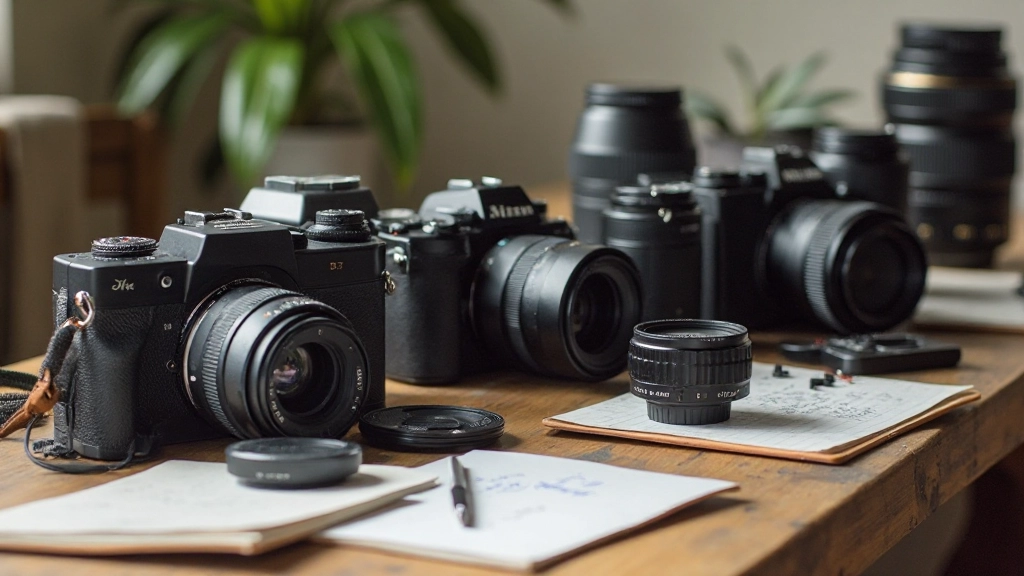
Here’s something nobody wants to hear: your camera body matters less than you think. But your lens? That’s a different story. We get asked constantly about upgrades — new bodies, new glass, that fancy stabilizer everyone’s talking about. The truth is messier than the marketing.
After years in photography clubs, we’ve watched people spend thousands on equipment they barely understand. We’ve also seen photographers with older bodies create stunning work that puts expensive gear to shame. The difference isn’t usually the camera. It’s understanding what you actually need versus what you want.
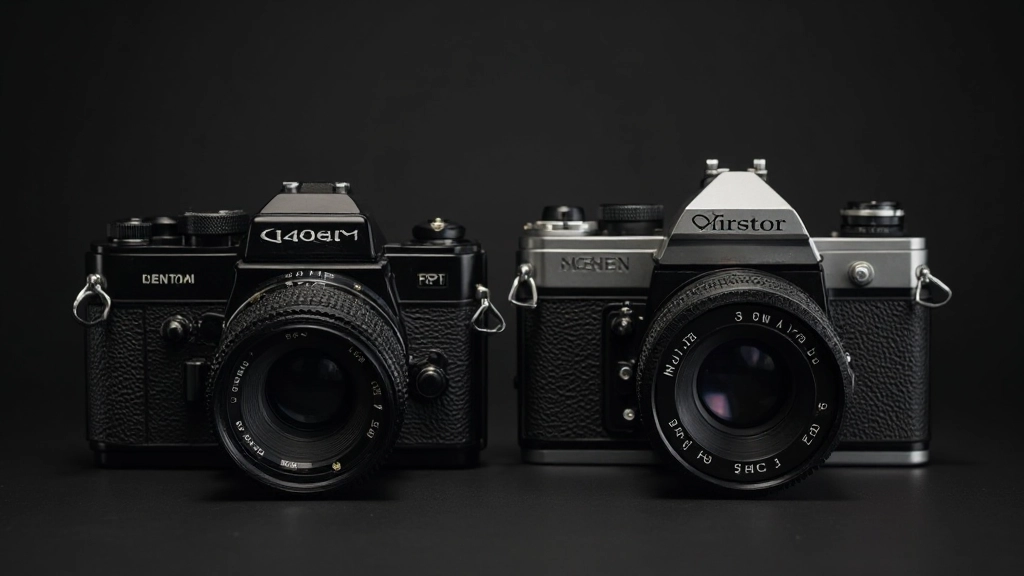
You’re shooting wildlife but your camera maxes out at 1/8000 shutter speed and you can’t shoot fast enough in bright sunlight with your longer lenses. Or you’re doing event work and the autofocus system regularly loses focus on moving subjects. That’s a real limitation, not an excuse.
Your sensor genuinely can’t deliver the dynamic range or ISO performance you need. You’re shooting at ISO 1600 and the noise is unacceptable for your work, or you’re losing shadow detail you can’t recover. Newer sensors have gotten noticeably better — but only if you actually need that improvement.
Your camera is failing during shoots. The shutter is acting up, the mirror is sticking, the sensor has dust you can’t clean. You’re renting backup equipment regularly or missing shots because you can’t trust the gear. That’s when upgrading makes sense.
You’ve moved from studio work to video, or from stills to hybrid work. Your old camera doesn’t support the features you need now — maybe it’s no autofocus in video mode, or it doesn’t have USB-C charging, or the battery life is terrible for your new shooting style.
This is the part where we contradict most gear websites. Your lens choice affects your images way more than your body does. A sharp 50mm lens on a mid-range camera will outperform a mediocre zoom on a flagship body. Every. Single. Time.
If you’re upgrading something, upgrade glass first. A quality standard zoom (24-70mm range) or a good prime will transform your work before a new body ever will. The investment lasts longer too — you’ll keep using that 70mm f/2.8 across three camera bodies.
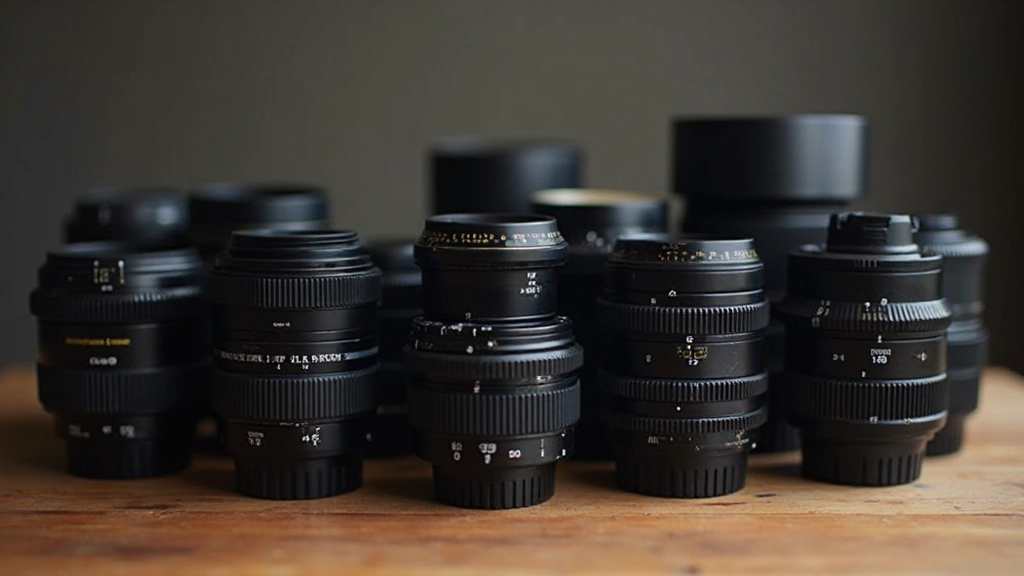
Real talk: you don’t need six lenses. Most serious photographers shoot with 2-3 pieces of glass regularly. A solid standard zoom, one prime for low light, maybe a longer focal length if your subjects demand it. That’s it.
Unless you’re shooting hybrid work, mirrorless doesn’t make you a better photographer than DSLR. You’ll spend months learning new menus, selling old lenses, and buying new ones. For $3000, you could get one incredible lens instead.
A two-year-old camera is still excellent. The improvements from one generation to the next are usually incremental — 10-15% better autofocus, slightly better dynamic range. It’s marketing, not revolution. Last year’s flagship is this year’s bargain.
That motorized gimbal, the follow-focus system, the fancy remote trigger — if you haven’t used it in three months, you won’t. Rent these when you need them. Rent, don’t buy.
Expensive strobes and modifiers in the closet of someone who doesn’t understand flash exposure are just expensive paperweights. Learn to use one light first. Invest in gear after you understand what it does.
Before spending money, ask yourself three questions. First: does this actually solve a problem I have? Not a problem you might have someday. A real problem that’s stopping you from making the images you want. Second: have I maxed out what I can do with current gear? If you’re not using all the features of your current camera, a new one won’t help. Third: will this pay for itself somehow?
For club members doing this for passion, that last one’s different. You’re not expecting financial return. But you should expect real value. An extra $2000 on gear that sits in your bag is wasted money.
The smartest upgrade is usually: one quality lens. Every time. A 50mm f/1.4 or a 70-200mm f/2.8 will do more for your photography than any body upgrade.
Here’s what nobody tells beginners: used gear is where smart photographers shop. A three-year-old camera body at 40% off retail is still an excellent camera. A used lens from a reputable seller costs hundreds less and will outlast the warranty anyway.
B&H Photo, KEH, MPB — these places inspect gear thoroughly and offer guarantees. You’ll pay slightly more than private sellers but you’re not buying someone’s problem.
On camera bodies, look at how many shots have been taken. Under 50,000 is lightly used. 100,000+ means it’s had work. That matters for reliability. Lenses don’t have shutter counts — they basically don’t wear out.
Scratches on the body don’t affect image quality. They’re why you save $300. Optical damage — fungus inside the lens, damaged coatings — that’s different. Read descriptions carefully.
Your camera doesn’t make you a photographer. Consistency, understanding light, composition, and actual practice do that. Gear is just the tool. It matters, but it doesn’t matter as much as the marketing wants you to believe.
If you’re in a photography club, you’ve probably seen this firsthand. Someone shows up with a $5000 body and kit lens, struggling with exposure. Another person brings a camera from 2015 and creates incredible images. That’s not luck. That’s skill, practice, and actually understanding their equipment.
Upgrade when you hit real limitations. Invest in lenses before bodies. Buy used when you can. And don’t buy anything you haven’t actually needed yet. Your photos will be better when you spend that money on film, travel, or taking more shots instead.
“The best camera is the one you have with you. The second best is the one you understand completely.”
— Photographer wisdom
Still wondering if you should upgrade? Join a photography club discussion. Hearing how other photographers approach gear decisions — and seeing their actual work — changes perspective fast.
Find a Photography Club Near YouThis article is informational only. Equipment needs vary widely based on individual goals, shooting style, and budget. We’re sharing general guidance based on common photography club experience, not prescriptive recommendations. Your specific upgrade decisions should depend on your actual shooting needs and circumstances. Prices, availability, and equipment performance change constantly — research current options and reviews before making purchase decisions. Photography is ultimately about what you can do with the tools you have.