
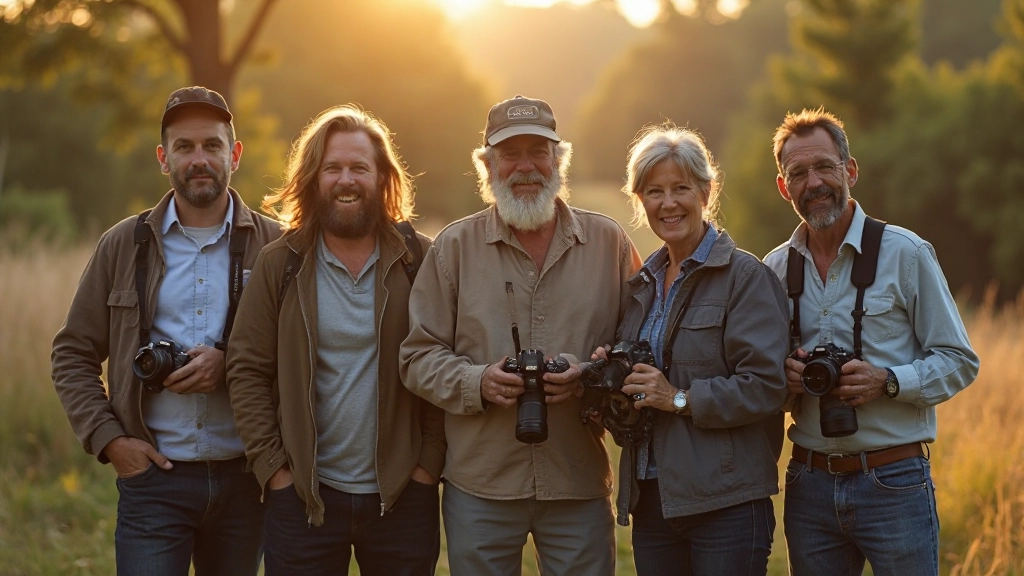
How to Find a Photography Club That’s Right for You
What to look for when joining a group — meeting frequency, skill levels, and whether the culture actually fits what you’re looking for.
Read MoreWhy critique sessions matter, how to give helpful feedback without crushing someone’s confidence, and what constructive criticism actually looks like.
You’ve been shooting for a while now. You’re comfortable with your camera, you understand composition, and your technical skills are solid. But something’s missing. You can feel it when you look at your photos—they’re technically fine, but they don’t quite sing. What you really need is honest feedback from someone who actually knows photography.
The problem? Most people don’t know how to give real critique. They’ll either tell you everything is beautiful (useless) or tear your work apart without any guidance (demoralizing). That’s where photography clubs and critique groups come in. They’re built on the idea that your work gets better when you hear what’s working and what isn’t from people who care about the craft.
Here’s the thing though—getting good feedback isn’t automatic. It takes skill. Both from the people giving it and from you as the photographer receiving it.
Real critique isn’t praise. It’s not therapy. And it’s definitely not about making you feel good about yourself (though good critique should never make you feel bad either).
Critique is specific, honest observation about what’s working in your photograph and what could be stronger. That’s it. A good critique tells you exactly what caught their eye, what emotion the image creates, where the eye travels, what questions they have about the subject or the story. Then—and this matters—they tell you what could push the image further.
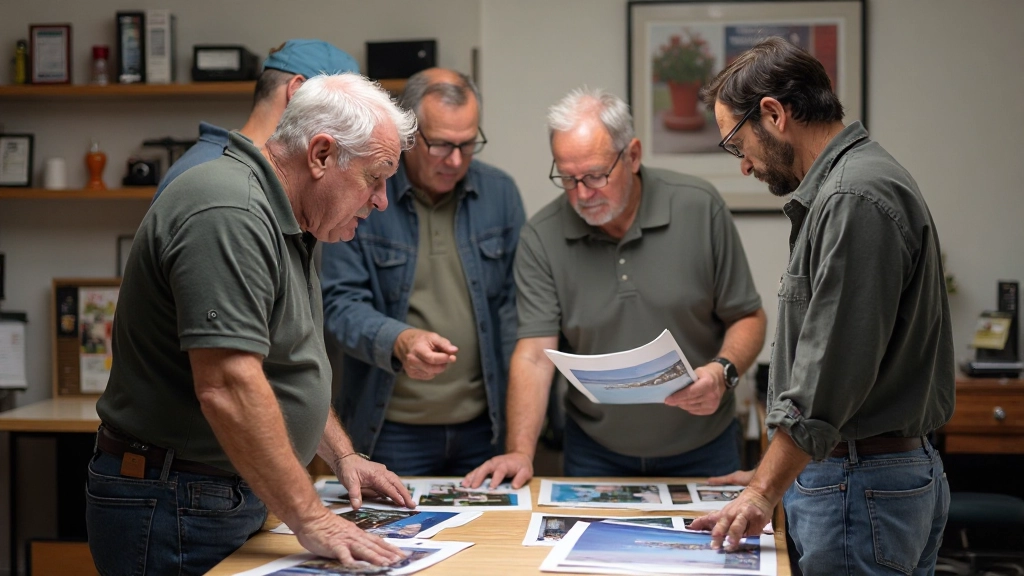
The best critique sessions we’ve seen happen in photography clubs where people have been shooting together for months. They understand each other’s style, they know what each person is trying to achieve, and they’ve built enough trust that honest feedback doesn’t feel like an attack. Someone might say, “The light on her face is beautiful, but the shadow side is too dark—we’re losing detail there. Have you thought about fill flash?” That’s useful. That’s actionable.
Compare that to vague feedback like “nice shot” or “I really like it.” You learn nothing from that. You can’t improve from compliments alone.

You’re sitting in a club meeting. Someone shares a portrait they’re proud of. You immediately notice the exposure is off, the background is distracting, and the pose is awkward. Now what?
Here’s the framework that actually works. Start with what’s working. And we mean specifically working. Not “nice colors” but “the way the light hits the subject’s eyes creates real connection—there’s life there.” That’s real observation. Then talk about the technical choices. What aperture did they use? Why did they position the subject there? Understanding their intention matters because sometimes what looks like a mistake is actually a deliberate choice.
Then—and only then—offer what could be stronger. Frame it as a question sometimes. “I’m curious about the background. Did you consider simplifying it? I feel like it’s competing with your subject.” That’s different from “your background is too busy.” One invites conversation. The other feels like judgment.
The golden rule we’ve heard from experienced photographers: assume good intent. Assume the person who made that image was trying their best with the equipment, light, and knowledge they had in that moment. Your job isn’t to critique their choices. It’s to help them see their work more clearly.
This is harder than giving feedback. Sharing your work means being vulnerable. Someone’s about to look at something you made and tell you what’s not working. That stings sometimes, even when you intellectually know it’s valuable.
The trick? Don’t defend. Don’t explain. Just listen. Write down what people say. You’ll want to argue—”but the light was only like this for 30 seconds” or “I was actually trying to do that”—but resist it. Hear them first.
Here’s why: if someone looks at your photo and doesn’t see what you intended, that’s information. Even if you meant something different, the fact that the image doesn’t communicate it is worth knowing. That’s something to work on for next time. And sometimes the feedback will spark an idea you hadn’t considered. A critique session member once told us, “I thought your subject looked sad,” about a portrait where we were going for contemplative. That pushed us to rethink the pose and the expression. She was right.
Most photography clubs have a rule: the photographer stays silent during critique. You present the image, people give feedback, you listen. Then afterward, you can ask questions. That structure exists because it works. It keeps your ego out of the conversation so people can give honest feedback and you can actually hear it.

Getting real feedback on your photography isn’t something you can do alone. You need other photographers who understand the craft. That’s exactly what a good club provides.
You get good at giving feedback by doing it. In a club, you’re critiquing images every meeting. After a few months, you can actually articulate what’s working and what isn’t. That skill transfers to how you look at your own work.
You see how different photographers solve problems. Someone shoots street photography, someone else does portraits, another person specializes in landscapes. Their approaches rub off on you. You start asking questions about composition, light, and subject matter that you wouldn’t ask alone.
In a club, people bring work in progress. Not finished gallery pieces. Learning happens on imperfect images. You get feedback early, before you’ve invested in printing or publishing something that needs adjustment.
You’re showing up with images next week. That means you’re shooting more. You’re being intentional. You’re not just taking photos—you’re creating work to critique. That changes how you approach photography entirely.
Let’s be concrete. You’re in a Tuesday evening club meeting. Six photographers, meeting for the second time this month. Someone shares a portrait they shot last weekend—a headshot of a friend in natural window light.
First critique: “The light is gorgeous. That side light is really flattering, and you can see the detail in the eyes. The skin tones are warm and natural.” That’s the positive observation.
Second critique: “I’m noticing the background is slightly out of focus but still has enough detail that it’s competing for attention. It’s pulling my eye away from the face a little bit.”
Third critique: “Have you thought about cropping tighter? Right now there’s space above the head that doesn’t add anything. Getting closer might intensify the connection with the viewer.”
The photographer listens. Takes notes. Then asks questions. “What aperture do you think would work better for the background?” And someone answers based on their experience. That’s a learning moment right there.
This doesn’t feel like criticism. It feels like collaboration. Everyone in that room has experienced bad portraits. Everyone knows what good light looks like and what a distracting background does. The feedback is grounded in shared knowledge, not opinion.
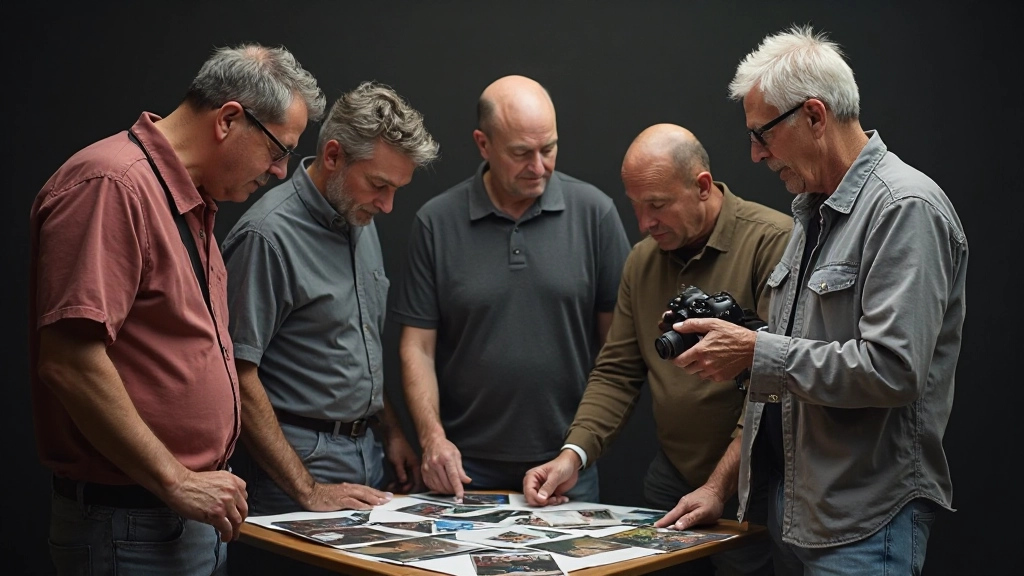
Not every photography club has a structured critique process. Some just shoot together. Others have formal meetings where critique is the whole point. If you’re joining a club or starting one, here’s what actually works:
Everyone agrees: we’re here to help each other see our work more clearly. Feedback is specific, not vague. We focus on what’s working and what could be stronger. Nobody’s here to tear anyone down.
When you show an image, give people the information they need. What were you trying to achieve? What was the technical situation? This isn’t defending—it’s helping people understand your intent so their feedback is actually useful.
Don’t let the same person dominate critique. Everyone has an eye worth sharing. The quieter members often have the most insightful observations. Make space for different voices.
Shoot the image again with the feedback in mind. Share the new version next month. That closes the loop. People see that critique actually leads to improvement, and everyone feels invested in everyone else’s growth.
Your photography will improve faster with real feedback than it will alone. That’s not an opinion—it’s what happens when you shoot, share, listen, and adjust. Critique isn’t comfortable. You’re showing people your work and hearing what didn’t work. But that discomfort is where growth lives.
The best photographers we know didn’t get there by being perfect. They got there by being willing to share work that wasn’t perfect and listen to what needed to change. They’re part of communities. They show up to critique sessions. They give feedback that matters and they receive feedback with an open mind.
If you’re serious about improving your photography, find or join a club with real critique. Or start one with photographers you respect. Meet regularly. Share your work. Listen hard. And most importantly—actually apply the feedback. Shoot again. Show the results. That cycle is where your photography gets genuinely better.
Look for photography clubs in your area that have structured critique sessions. Or if you can’t find one that fits what you’re looking for, reach out to other photographers and start one yourself. Three or four people meeting monthly is enough to get real feedback on your work.
Find a Club Near YouThis article provides educational information about photography critique and feedback within club settings. Photography development varies greatly depending on individual practice, experience, equipment, and learning approach. The suggestions and examples provided are based on common practices in photography communities but aren’t guaranteed to produce specific results. Your actual experience will depend on the specific club, the members involved, and your own commitment to applying feedback to your work.
What to look for when joining a group — meeting frequency, skill levels, and whether the culture actually fits what you’re looking for.
Read More
Honest talk about equipment. What actually matters for better photos, what’s marketing, and when your current camera is exactly enough.
Read More
The pros and cons of each format. Some people thrive with local meetups. Others get more from online groups. Here’s how to figure out what works for you.
Read More