Online vs. In-Person Photography Communities: Which Works Better
The pros and cons of each format. Some people thrive with local meetups. Others prefer the flexibility of online groups. Here’s what to consider.
Finding Your Community
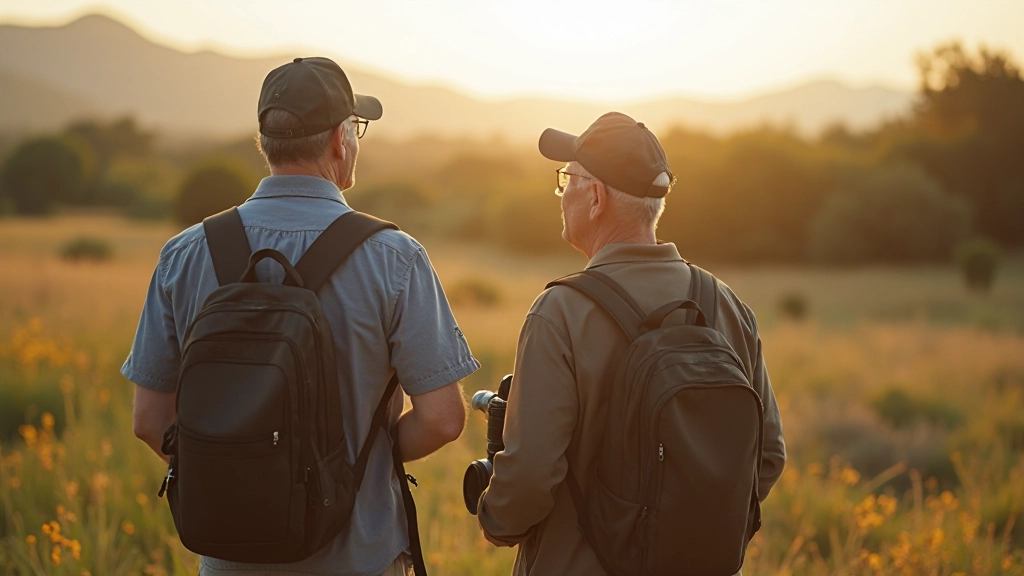
You’re looking to improve your photography and connect with other people who get it. The question isn’t whether to join a community — it’s which format actually fits your life. We’re going to break down what each approach really offers, because the honest truth is that neither one is universally better. It depends on what you need right now.
Photography communities have exploded in the last five years. You can find groups meeting in person every week in most cities. You can also join Discord servers, Facebook groups, and photo-sharing platforms with thousands of active members. The choice feels overwhelming until you understand what you’re actually getting from each one.
The In-Person Advantage
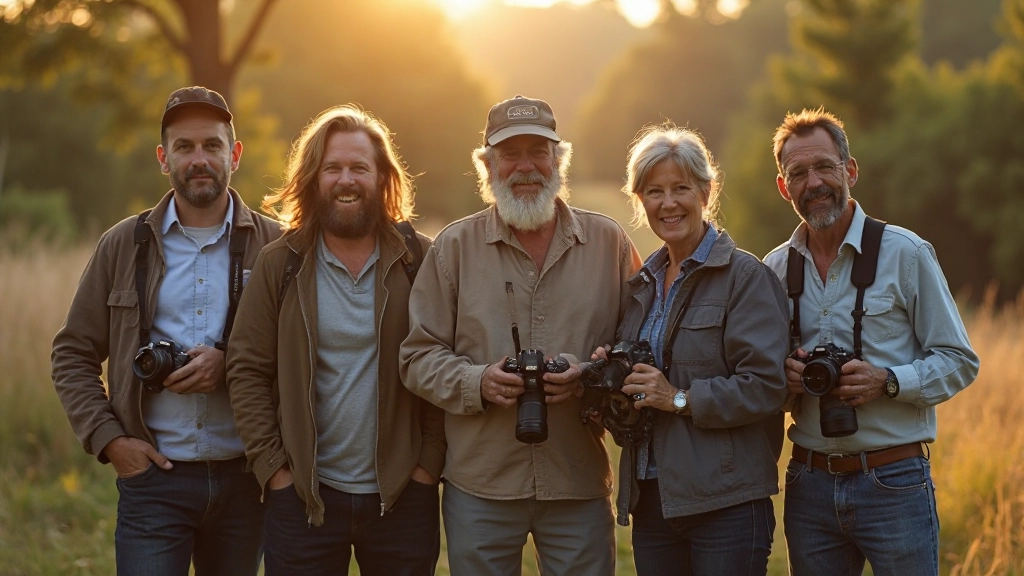
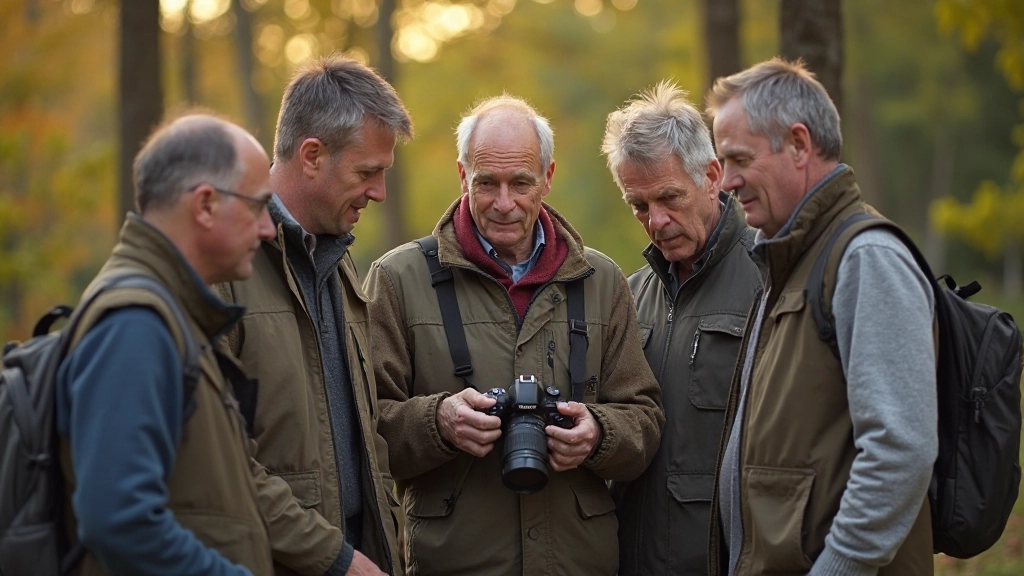
Meeting face-to-face changes everything. You’re not staring at a screen — you’re actually talking to people about aperture settings while standing in front of the same landscape. That immediate feedback matters. When someone shows you their shot and explains what they were trying to do, you can ask questions in real time. There’s no waiting 24 hours for a comment on your image.
Local groups also give you accountability. You committed to showing up at 7 AM on Saturday for a shoot. You’re probably going to go, even if you’re tired. That consistency builds skill faster than sporadic online participation. Plus, you’ll actually know people’s names. You’re building real relationships, not just usernames.
The real benefit: Immediate critique, consistent schedule, and genuine friendships that often extend beyond photography.
But Here’s What Gets Tricky
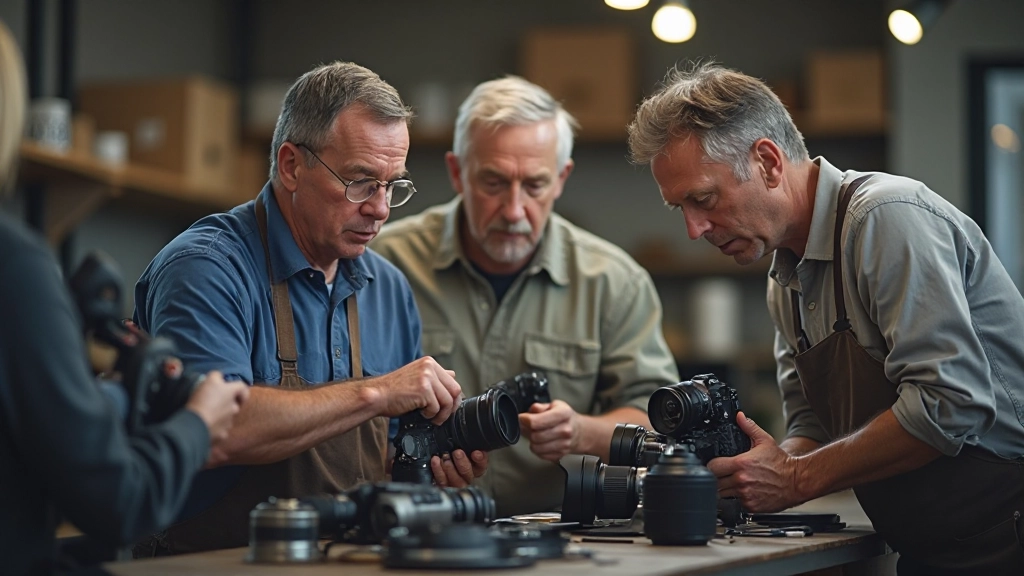
- Time commitment: Meetings are usually once or twice a week, same time slot. If that doesn’t fit your schedule, you’re stuck.
- Location matters: You need a group in your area. If you live in a small town or rural area, there might be nothing nearby.
- Group dynamics: You’re locked into whoever shows up. Sometimes that’s great. Sometimes you’re with the same three people and it gets stale.
- Cost: Many groups charge membership fees. Some are free but expect you to buy gear from sponsor retailers.

What Online Communities Actually Deliver
Online groups work differently, and honestly? They’re perfect for certain situations. You post a photo at midnight if you want. Someone in Australia or Germany gives you feedback while you’re asleep. You get perspectives from people working in completely different environments and styles. That diversity is valuable.
Flexibility is the real win here. You’re not bound by meeting times. You can participate in a feedback thread for 15 minutes between other things. Some online communities are incredibly active — we’re talking hundreds of people sharing daily, asking questions, posting critiques. You’ll find niches too. Want to focus only on portrait photography? There’s a Discord server for that. Interested in film photography specifically? Dedicated subreddits exist.
There’s also less social pressure. If you’re not ready to share your work yet, you can lurk and learn without anyone knowing. You can ask beginner questions without feeling like everyone’s judging you.
The Catch With Online Groups
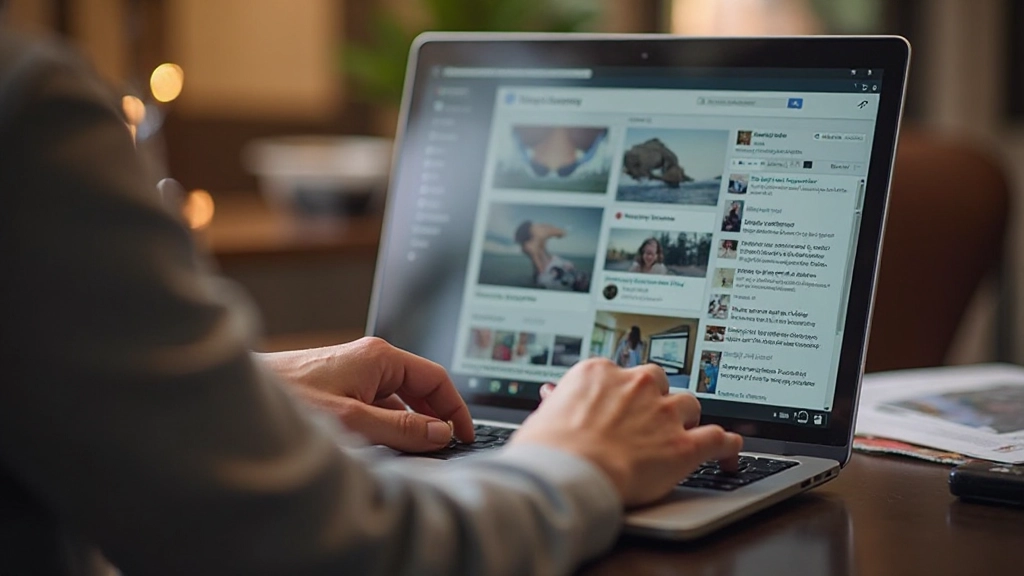
Feedback can be slow. You post an image and wait hours or days for actual responses. Sometimes nobody replies at all, which is discouraging. The other issue? You don’t develop real accountability. It’s easy to join, scroll for 10 minutes, then disappear for three months.
Quality varies wildly. Some online communities have strict moderation and thoughtful critique. Others are chaotic. You might get helpful technical feedback or you might get trolls. It’s a gamble. Also, you’re staring at a screen more. If you’re already spending 8 hours a day at a computer for work, does scrolling through photography Instagram really energize you?
And here’s something people don’t talk about: online connections often stay online. You probably won’t meet these people in real life or go on photo walks together. There’s a limit to how deep the relationship goes.

Quick Comparison
In-Person Groups
- Real-time feedback and critique
- Consistent schedule and accountability
- Genuine friendships and networking
- Hands-on learning from experienced photographers
- Fixed meeting times may not fit your schedule
- Limited to local area and available groups
Online Communities
- Complete flexibility in when you participate
- Access to thousands of photographers worldwide
- Specialized groups for any photography niche
- Lower pressure to share before you’re ready
- Feedback can be delayed or inconsistent
- Quality varies between communities
So Which One Should You Choose?
Honestly? You don’t have to choose just one. A lot of serious photographers use both. They’re in a local group that meets monthly and also participate in online communities based on their specific interests. That gives you the best of both.
But if you need to pick one, think about your life right now. Do you have a consistent schedule with 2-3 hours a week to dedicate to group meetings? Is there an active photography community within reasonable distance? If yes to both, try in-person first. You’ll improve faster and stay more motivated.
If your schedule’s unpredictable, you’re in a rural area, or you’re just dipping your toes in, start online. Join a subreddit or Discord server. It costs nothing and requires zero time commitment. Once you figure out what aspects of photography interest you most, you can look for more specialized groups — online or in-person.
The real answer: The best community is the one you’ll actually stick with. Don’t overthink it. Try something for a month and see if it feels right.

What Matters Most
Both online and in-person photography communities exist because both work. Some people found their best friends and developed their skills fastest through weekly in-person meetups. Other photographers made huge improvements working with online groups where they could ask questions anytime. The format isn’t what determines success — showing up and staying engaged is.
Start where you are. If you’re already on social media and comfortable sharing, an online community is your entry point. If you prefer direct interaction and have time for regular meetups, find a local group. Either way, you’re surrounding yourself with people who care about photography. That matters more than whether the conversation happens in a Discord channel or at a coffee shop before a shoot.
Disclaimer: This article provides general information about photography communities and their formats. Individual experiences vary depending on location, skill level, and personal preferences. The benefits and drawbacks listed reflect common patterns but aren’t universal. We recommend trying both formats if possible to determine what works best for your situation.